

Future-Proofing the Operating Room: Designing for What Comes Next
What will an operating room designed today need to support 10, 20 or even 50 years from now?
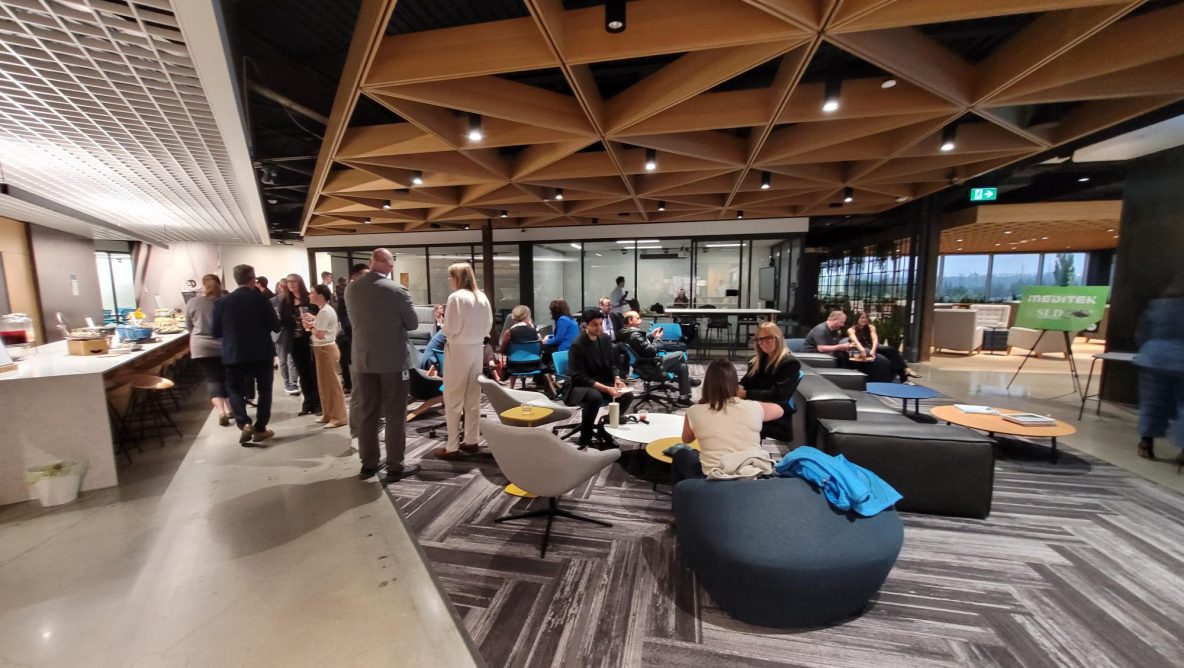
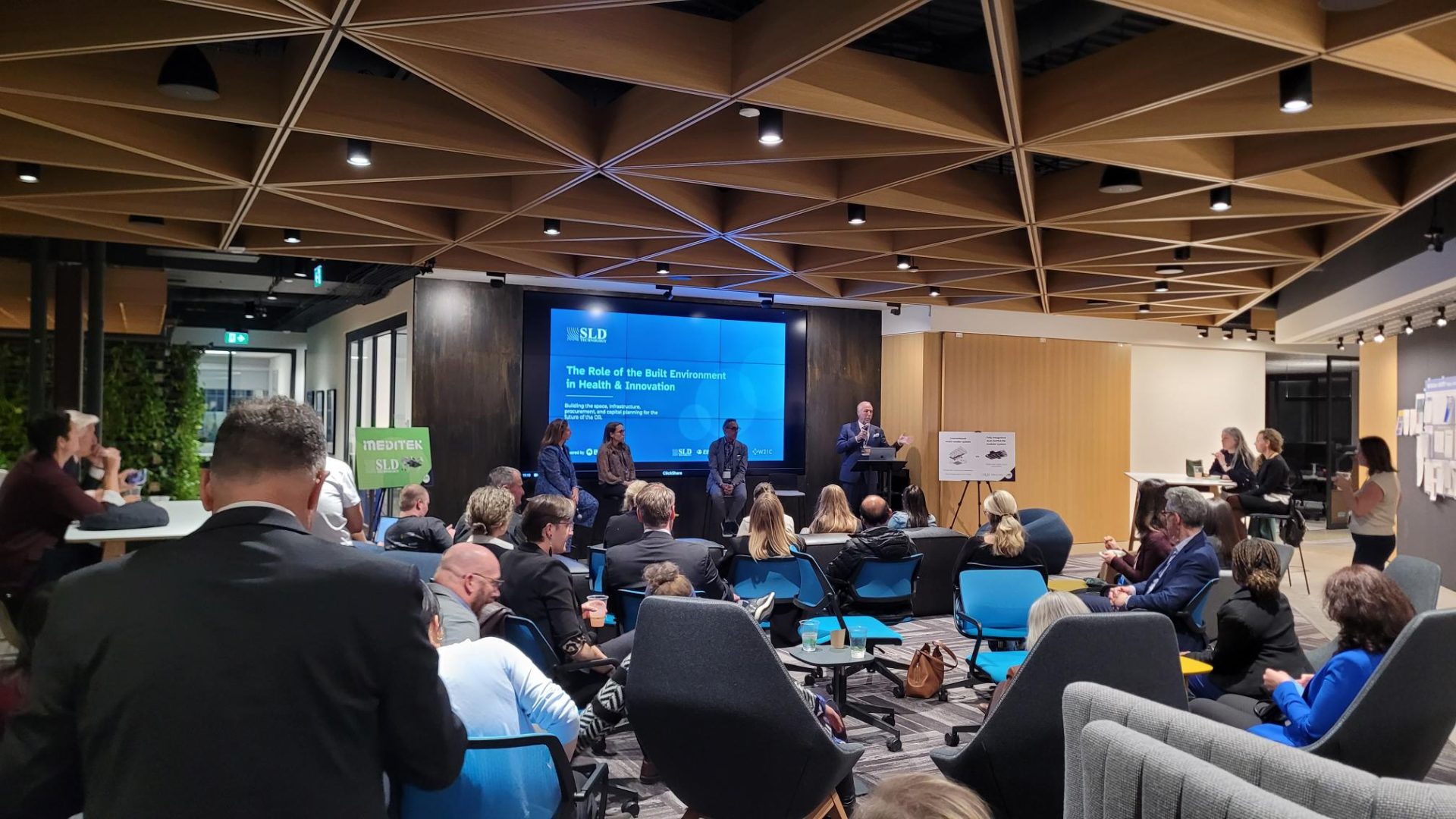
That question was at the centre of The Future of the OR: Living Lab & Innovation Event, hosted by the Health Everywhere Hub in Calgary on September 15, 2026.
Healthcare leaders, innovators, clinicians and industry partners came together to explore how technology, infrastructure and collaboration can help create operating rooms that are ready to adapt as healthcare changes.

Moving healthcare innovation into the real world
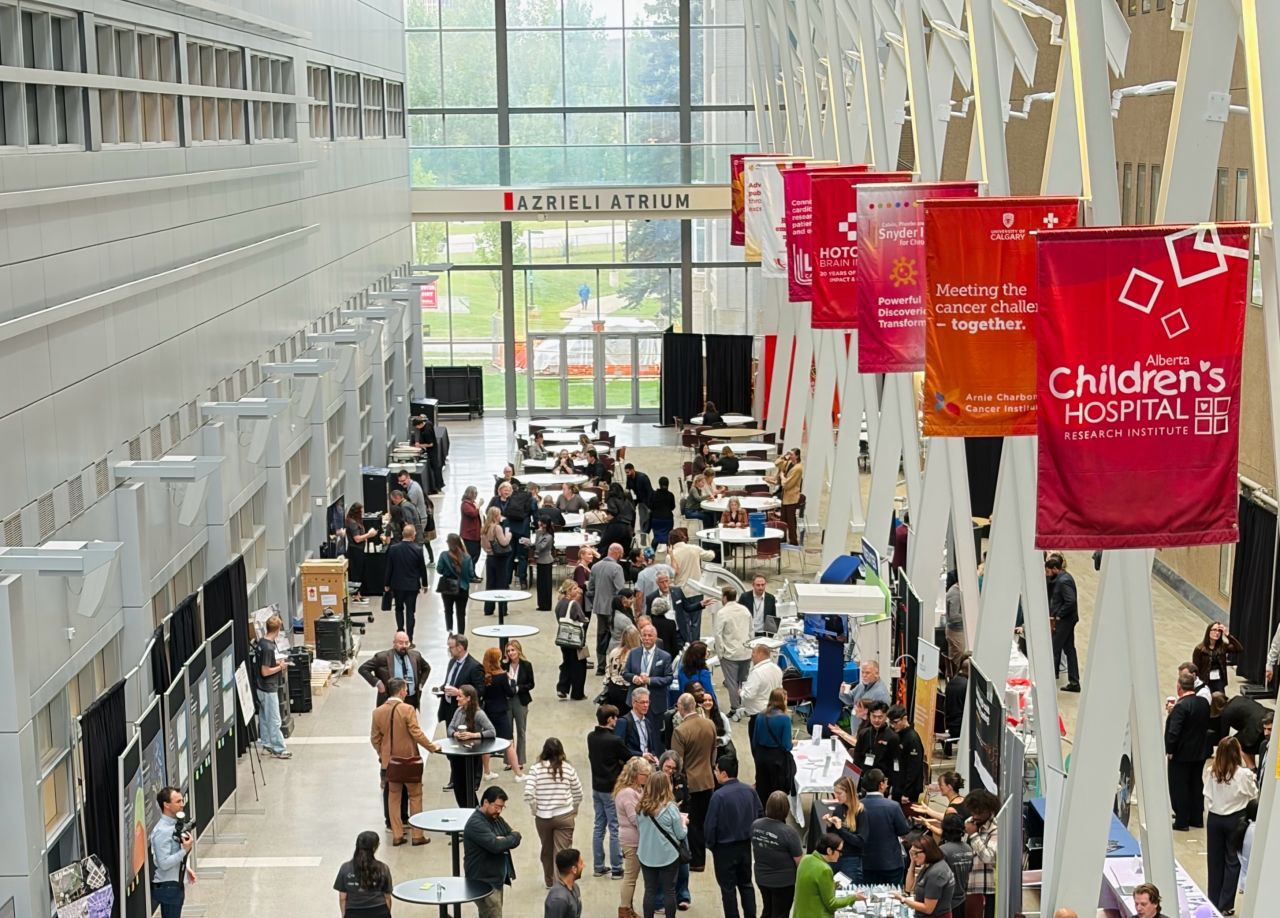
A key partner behind the Health Everywhere Hub is the W21C Research & Innovation Centre at the University of Calgary, which brings healthcare, academic and industry partners together to advance new ideas.
During the event, Meditek's Scott Samuels spoke with Kat Arnold, Human-Centred Design Lead at W21C, about the role of Living Labs and the importance of bringing the right people, infrastructure and ideas together.
We really recognize that innovation can live and die within the pilots, and we know that people and the infrastructure and the ideas really need to come together to have the impact that we're looking to see.- Kat Arnold, W21C Research & Innovation Centre
Kat also described the operating room as a strong place to begin the Living Lab conversation because of its “high risk, high reward, high resource intensity” environment.
Watch the interview:
The built environment has to be ready to change too
When conversations turn to the future of the OR, new technology often gets most of the attention. But the room itself has to be able to accommodate those changes.
During her interview, Kat highlighted the role Meditek and SLD Technology play in bringing “a consideration for the built environment” into that discussion.
Her vision looks well beyond today's needs:
My vision for the future of the OR is thinking in those 50-year horizons, that we're not always chasing crisis mode and reacting.- Kat Arnold, W21C Research & Innovation Centre
A modular approach to future-proofing the OR
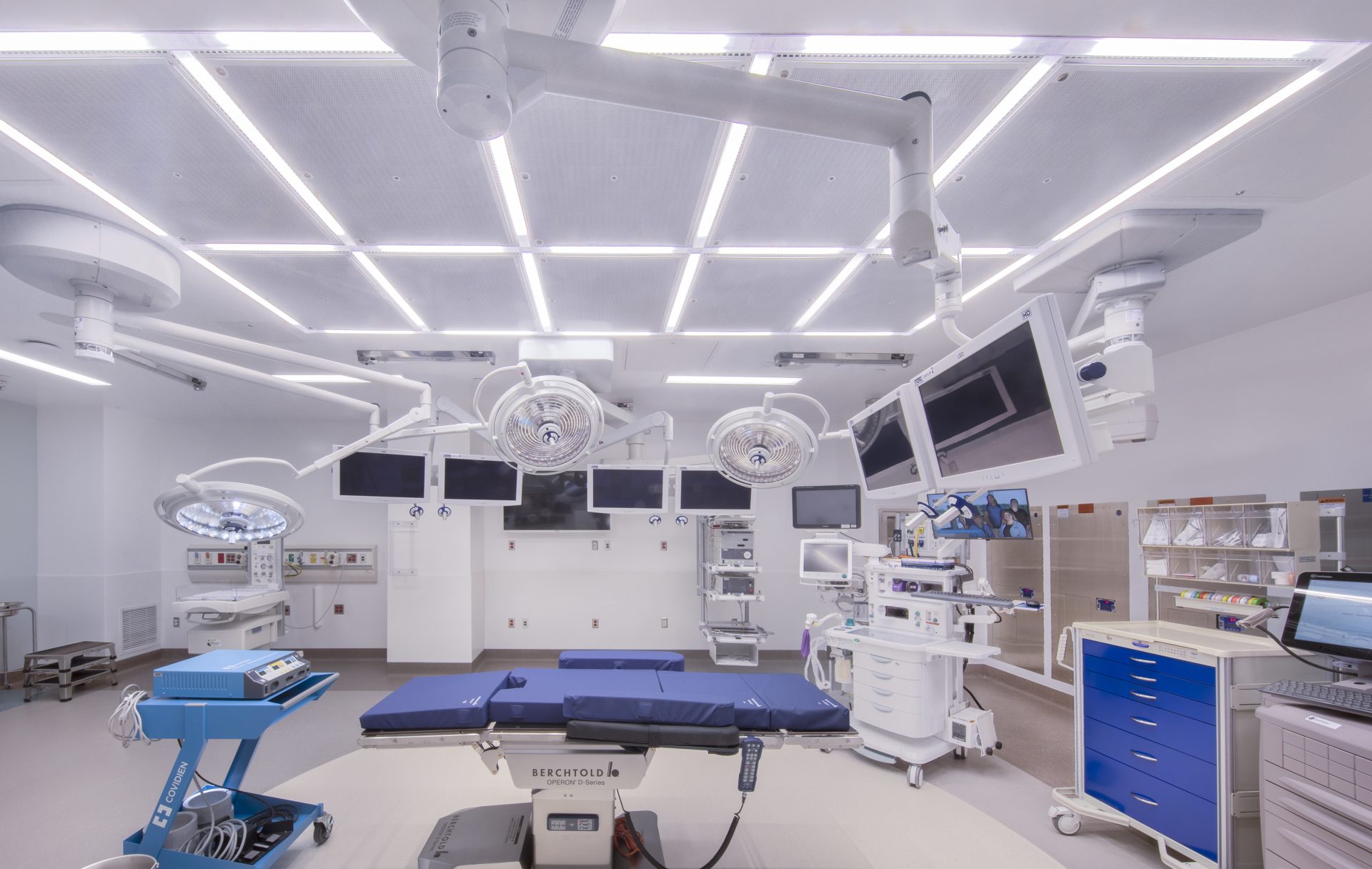
This is where SLD Technology's AirFRAME offers a different approach to traditional OR ceiling infrastructure.
As SLD Technology's exclusive Canadian distributor, Meditek works with healthcare teams across Canada to incorporate AirFRAME into new ORs and renovation projects.
Its modular design is particularly well suited to future-proofing surgical spaces. When technology, services or infrastructure need to be updated, the system provides easier access to the interstitial space above the OR rather than requiring the entire ceiling system or mount structures to be dismantled.
That flexibility can make future upgrades, renovations and changes easier to accommodate while helping facilities avoid rebuilding around infrastructure that was never designed to change.
While SLD AirFRAME is a strong fit for new builds, its biggest advantage may be in OR renovations through what we call a Parallel Build Sequence.
AirFRAME can be designed around the existing interstitial infrastructure before demolition even begins. Once all project partners sign off, the system moves into production while the space is being decanted and demolished. By the time AirFRAME arrives on site, stud walls and rough-ins can already be in place.
The prefabricated modules are then moved into the room and typically installed in just 1–2 days, depending on system size. From there, final connections can be made, the ceiling closed, and the room completed—helping avoid the lengthy, multi-trade installation process associated with a conventional stick-built ceiling system saving weeks on the renovation schedule
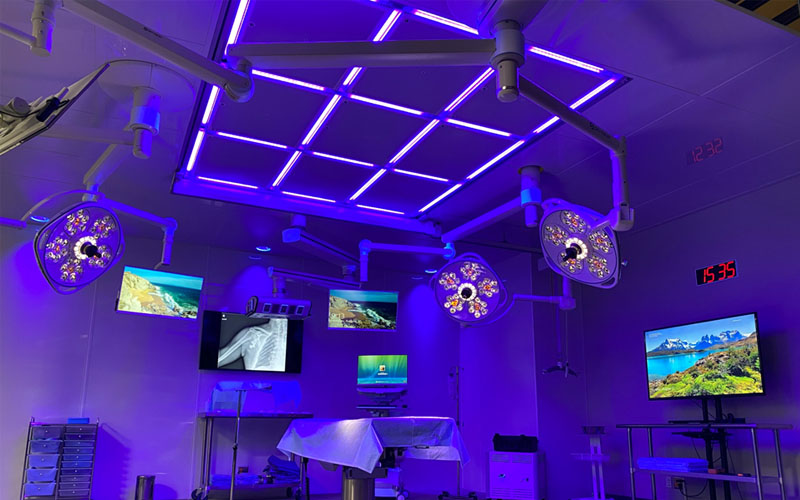
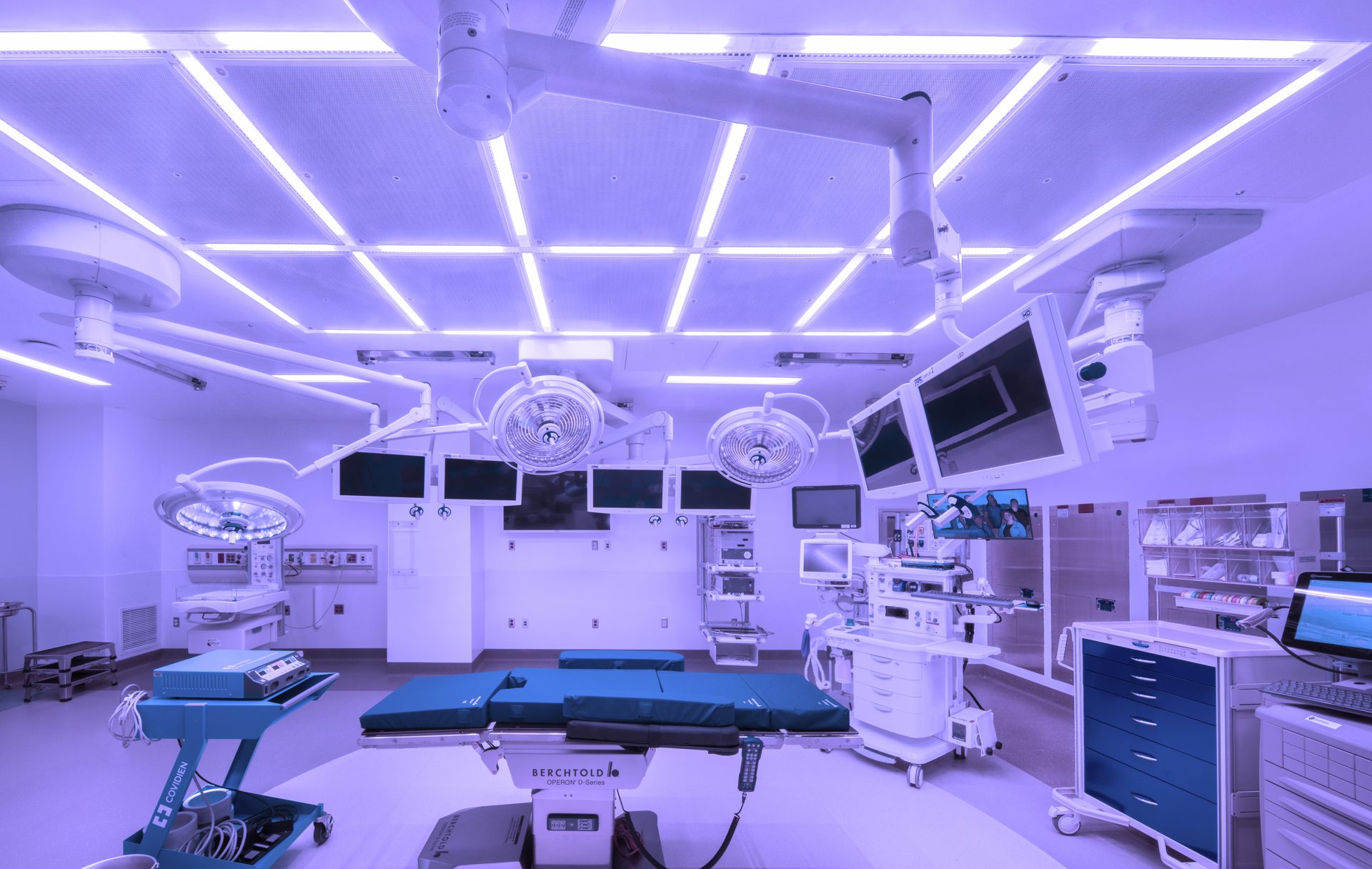
SLD is also looking beyond the structure of the ceiling itself. Visible Light Decontamination (VLD) can be integrated directly into the AirFRAME lighting system, using 405 nm visible light rather than UV light to continuously target bacteria in the air as well as on hard and soft surfaces, including areas that may be missed during routine cleaning.
VLD is non-harmful to humans, including the eyes and tissue, and is designed for continuous use in occupied spaces. Even during an open procedure, the light can continue decontaminating the surrounding environment while the surgical site is exposed. The technology operates without special training, additional staff or consumables, allowing decontamination to become part of the OR environment rather than a separate piece of equipment or process.
VLD was also highlighted during the Living Lab event as one of the technologies continuing to evolve within the SLD system.
We've already seen the benefits of SLD's modular approach in Canadian healthcare projects. At Abbotsford Regional Hospital and Cancer Centre, the AirFRAME system demonstrated how modular OR infrastructure can simplify installation and help facilities make significant changes within an existing hospital environment.
In an environment where robotics, imaging equipment, workflows and technology will continue to evolve, designing for access and adaptability from the beginning can make a significant difference later.
Future-proofing OR spaces
Three key themes stood out:
- Bring the right people together earlier
Innovation is often limited before a project even reaches the design stage. Bringing government, operations, clinicians, designers and builders into the conversation before the RFP can help align budgets, requirements and opportunities from the start. - Innovation needs someone to champion it
Good ideas can easily get lost between planning, procurement and construction. Having an internal champion who can build the case, navigate decisions and keep innovation moving forward can make a significant difference. - Plan for change, not just today’s needs
Healthcare projects can take years to plan and build, while clinical needs, technology and costs continue to change. More flexible, phased planning can help projects adapt along the way instead of locking facilities into assumptions made years earlier.
What did the room think?
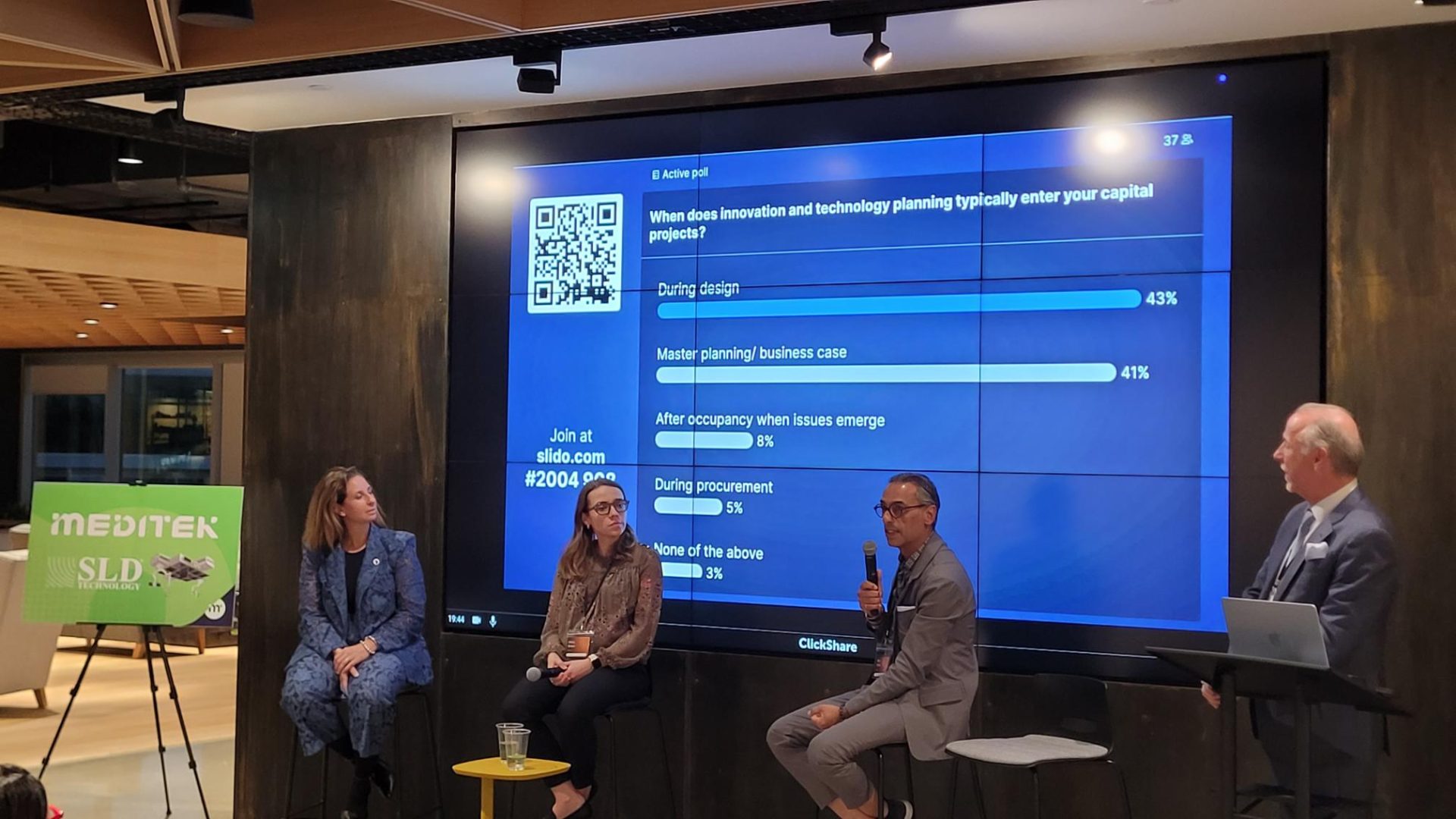
The panel also turned the conversation over to attendees through a series of live polls.
When asked when innovation and technology planning typically enters capital projects, 43% said during design and 41% said during master planning or the business case. Smaller groups said it happens during procurement (5%) or only after occupancy when issues emerge (8%).
Another poll asked attendees what they could do when they returned to the office to help move innovation forward. Nearly half, 48%, chose a simple starting point: ask clinical staff what their unmet needs are.
That response reinforced one of the evening’s recurring themes: innovation does not always start with a major new project. Sometimes it starts by asking better questions of the people using the space every day.
Building for what comes next
Future-proofing an OR is not about predicting exactly what healthcare will look like decades from now.
It is about creating spaces that can change when healthcare does.
That means thinking beyond today's equipment list and considering adaptability, infrastructure access and long-term flexibility from the earliest stages of planning.
It also means bringing the right partners into those conversations early. With a modular system designed for adaptability and easier future access, SLD is a natural fit for project teams looking to build flexibility into the OR from the start. Bringing SLD in early can also help simplify coordination and reduce the risk of delays, change orders and unexpected costs later in the project.
Thank you to the Health Everywhere Hub, W21C Research & Innovation Centre, Dr. Tara Klassen, Kat Arnold and everyone involved in bringing these conversations together.
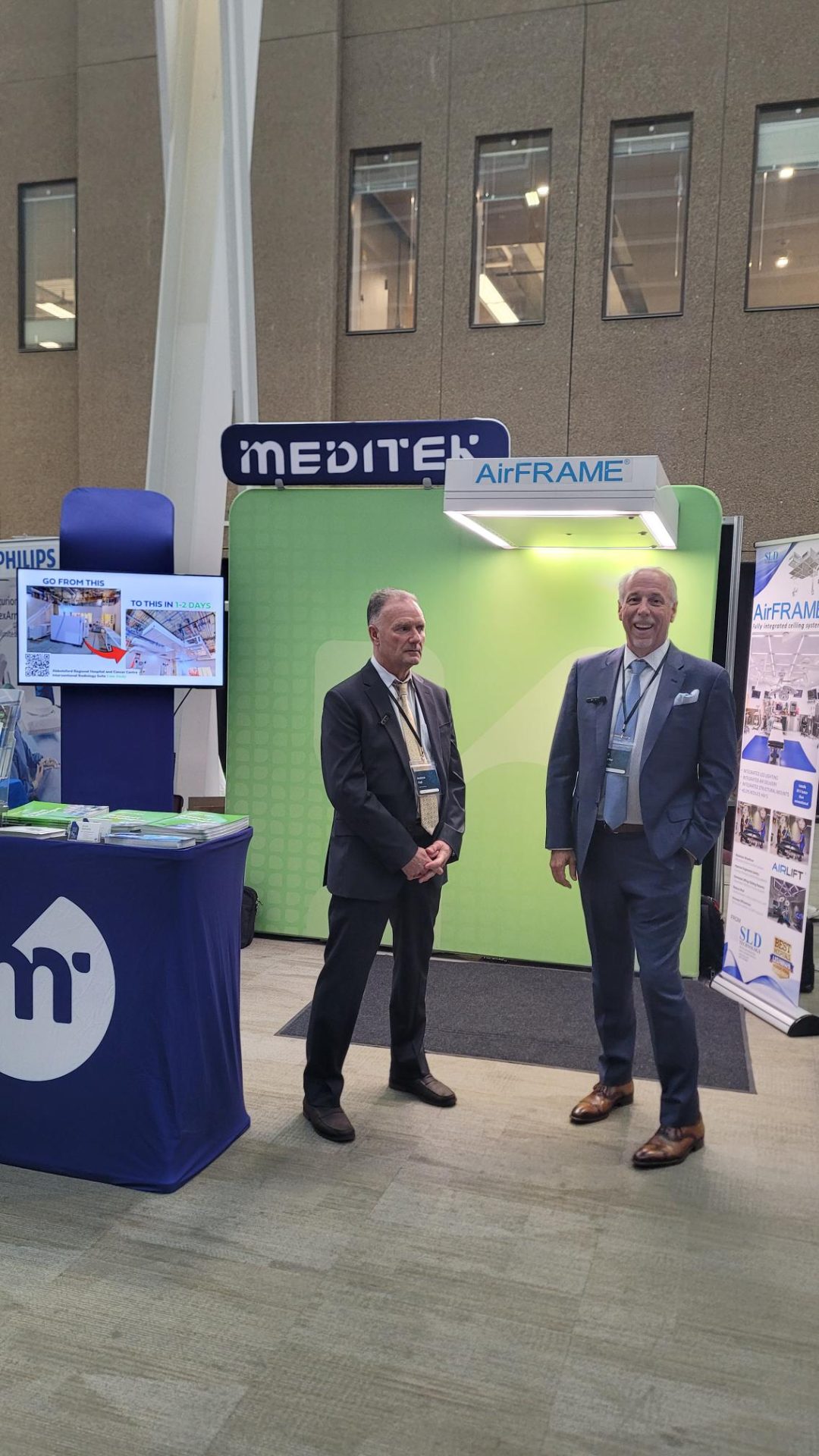
We also want to thank Dr. Cliff Yahnke and Andrew Hall from SLD Technology for making their way to Calgary and helping lead the discussion around what comes next for the operating room.
Is your next OR being designed for today, or for what comes next?
Learn how SLD AirFRAME, VLD technology – and the right partner – can help create a more modular, adaptable and forward-looking operating room environment.
Explore SLD Technology